your sloped backyard doesn’t have to stay that way. I’ve watched countless homeowners transform chaotic hillsides into impressive, functional spaces using retaining walls, and you can too.
Whether you’re dreaming of level patios, cascading gardens, or terraced living areas that actually prevent erosion (a helpful benefit), the right wall design is important. However, before you grab a shovel, there’s quite a bit to think through about materials, drainage, and design. These factors will determine whether your investment holds up well or fails.
Why Retaining Walls Transform Sloped Yards Into Usable Space
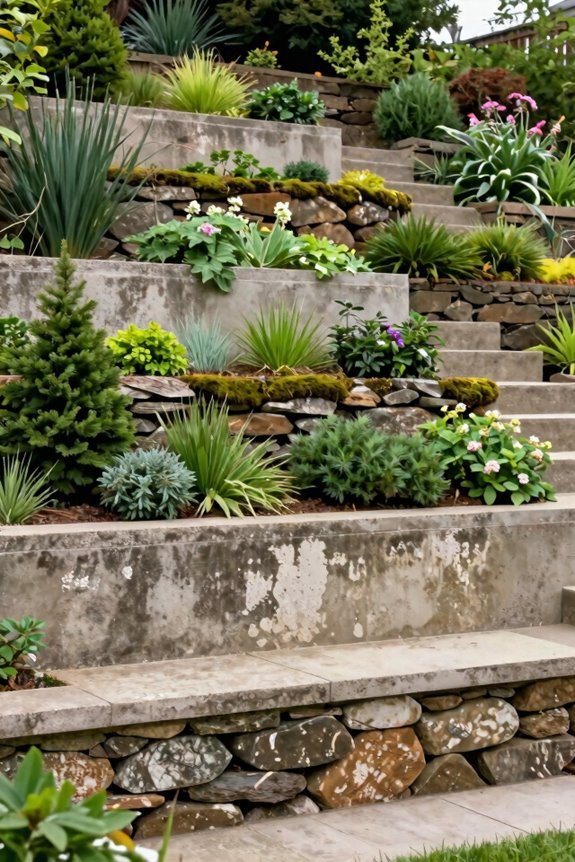
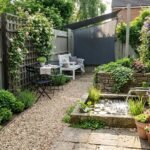
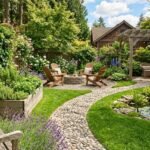
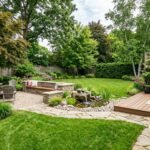
If your hillside backyard’s been nothing but a steep, muddy slide since you bought the place, you’re not alone. A well-built retaining wall might just help you reclaim that wasted slope. I’ve watched countless homeowners convert their sloped yards into functional outdoor spaces through strategic terraced landscaping.
A retaining wall converts that unusable incline into level platforms perfect for gardens, patios, and seating areas. Beyond aesthetics, these structures manage erosion and rainfall runoff that would otherwise damage your foundation. Proper drainage behind the wall prevents settling and costly failures.
Whether you choose natural stone, concrete, or brick, a custom retaining wall creates multiple functional zones while protecting your property and establishing a sense of belonging in your outdoor space.
Retaining Wall Designs for Slopes
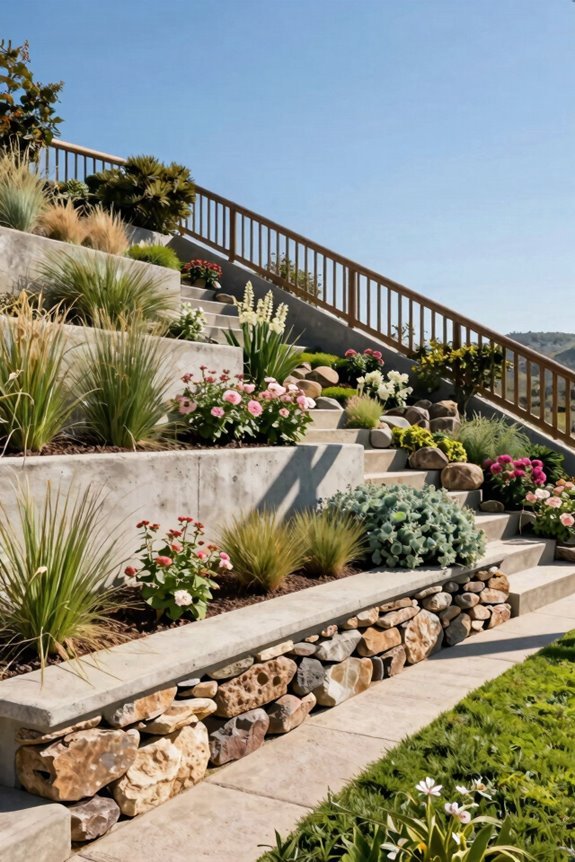
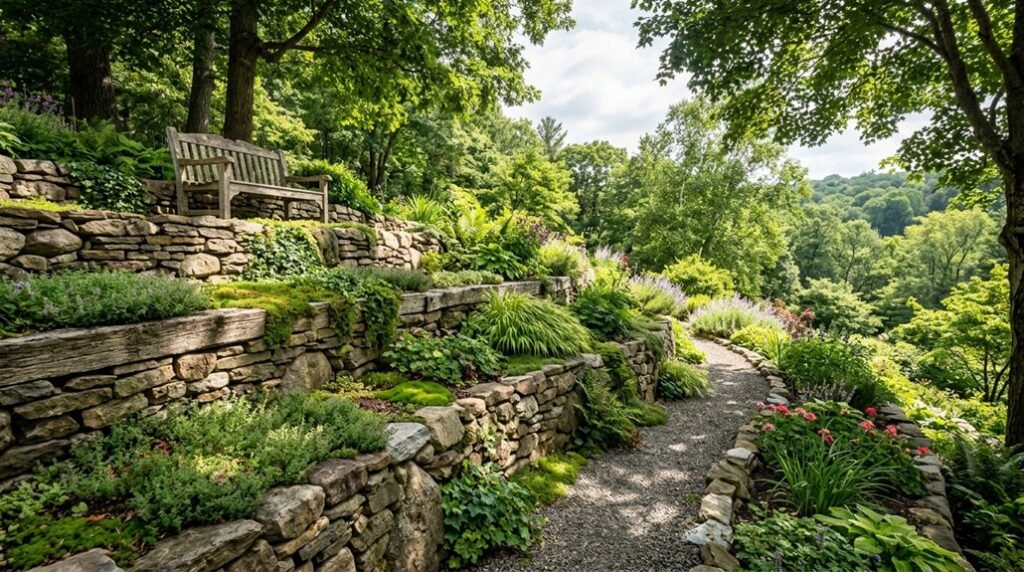
How’d you like to turn that crumbling slope into an actual outdoor destination? I’ve found that retaining wall designs transform hillside yards dramatically. You’ve got solid options: concrete blocks offer affordability, stone brings timeless elegance, and wood provides that cozy cabin feel, though it needs maintenance above four feet.
Terraced layouts are my go-to for slopes. They create usable flat zones stacked like nature’s own stairs. Curved walls soften harsh lines and feel more intentional than rigid straight edges.
Here’s the thing: drainage behind the wall isn’t optional; it’s your wall’s best friend, preventing water pressure from causing damage. I’d recommend integrating steps into your design for real accessibility. Each material brings distinct character to your custom hillside transformation, turning covered slopes into genuinely livable spaces.
Retaining Wall Materials: Stone, Concrete, Wood, and Steel
When you’re choosing materials for your hillside retaining wall, you’re really making two decisions at once: how it’ll look in twenty years and how much you’ll spend getting it there. Stone brings timeless elegance and unmatched durability, while concrete offers sculptural versatility and a bulletproof lifespan. Each material demands different installation approaches (dry-stacked versus mortared, poured versus block-based) that directly impact both your wallet and drainage strategy.
Wood gives you warmth and DIY-friendly affordability, corten steel delivers that coveted industrial rust-toned aesthetic with minimal upkeep, and brick strikes a design-flexible middle ground. However, material costs, prep work, and accessibility typically range from $3,200 to $9,000 nationally, so your retaining wall’s actual price tag hinges on which bespoke combination of durability and visual appeal you choose.
Durability And Aesthetic Appeal
What makes a retaining wall stand the test of time and actually look good doing it? I’ve found that durability and aesthetics aren’t opposing forces; they’re dance partners. Stone walls deliver timeless elegance that only improves with age and vegetation creeping around their edges. Concrete offers bespoke versatility, you can stain, veneer, or curve it into sculptural forms while barely lifting a finger for maintenance. Wood brings warmth but demands honest conversations about rot and height limitations (think decorative, not load-bearing). Corten steel is the brooding artist of retaining walls, developing a weathered patina that whispers sophistication.
Here’s the thing: material choice directly impacts drainage and longevity. Dry-stacked stone breathes beautifully; mortared options demand precision. Your hillside won’t forgive lazy decisions, but the right materials reward thoughtful planning with decades of excellent performance.
Material Cost And Installation Options
So you’ve settled on a material, now comes the part where your wallet gets a say in the conversation. I’ve found that understanding installation costs and drainage requirements transforms your hillside project from guesswork into smart planning.
Consider these options:
- Wood walls – Most budget-friendly at $10–15 per square foot, but expect rot issues within 15 years
- Concrete structures – Mid-range at $20–30 per square foot with quick installation and minimal maintenance
- Stone arrangements – Premium choice at $35–50 per square foot, yet timeless and drainage-friendly
- Corten steel – Modern solution around $40 per square foot, requiring bespoke installation expertise
The national average sits near $5,900 for complete projects. Don’t overlook drainage systems; they’re non-negotiable for longevity.
Professional installation adds labor costs but prevents costly future repairs.
Retaining Wall Costs: Budget to Premium
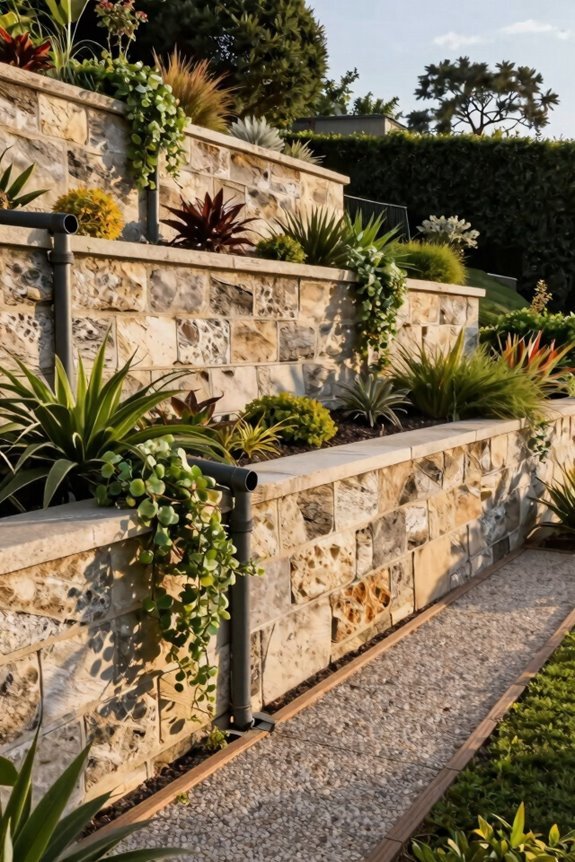
When you’re planning a retaining wall for your hillside, your budget dramatically shapes both your material choices and long-term satisfaction. Let’s explore what you can actually afford across the spectrum.
You can start with budget-friendly block options (think vinyl or railroad ties hovering near that $1-per-block sweet spot), climb into mid-range selections like concrete or brick that offer solid durability without emptying your wallet, or invest in premium upgrades such as Indiana Limestone that create an elegant, finished look on your sloped landscape. Your contractor’s estimate will tell the real story once they’ve assessed your specific slope and drainage needs.
Budget-Friendly Block Options
Building a retaining wall doesn’t require you to drain your savings account, and I’ve found that the most practical solutions often outperform their pricey counterparts. You’re joining a smart community of hillside homeowners who’ve discovered affordable block walls that deliver serious durability.
Here’s what I’d recommend exploring:
- Concrete blocks starting at roughly $1 per unit—sturdy, versatile, and perfect for DIY projects
- Vinyl options and railroad ties for quick installation on gentler slopes
- Brick retaining walls combining clean aesthetics with budget-conscious pricing
- White rectangular landscaping blocks offering contemporary style without premium costs
Concrete blocks work better than decorative stone alternatives. When calculating your retaining wall ideas, remember that cost factors like site prep, drainage needs, and accessibility matter more than material choice alone.
Your hillside backyard deserves thoughtful investment, not reckless spending.
Mid-Range Material Selections
Where does the real value hide in retaining wall construction? I’ve found it nestled right in the mid-range options, where concrete block and thoughtfully selected retaining wall materials strike that sweet spot between affordability and longevity. These choices offer durable construction and maintenance profiles that won’t drain your budget for years.
Consider concrete block paired with stone veneer accents. You’re getting structural integrity without premium pricing (win-win). Proper drainage behind wall installation becomes essential here; it’s the invisible element preventing costly future repairs.
The best results happen when you match finishes to your house. Suddenly your hillside looks intentional and well-designed. Small upgrades like integrated lighting push projects upward without requiring high-end budgets. I’ve learned that mid-range selections reward thoughtful planning more than expensive materials ever could.
Premium Upgrade Investments
How far should you push your retaining wall budget to create a meaningful hillside improvement? I’d argue premium upgrades justify the investment when you’re building your outdoor space.
Consider these impactful additions:
- Stone retaining walls with Indiana Limestone veneers, creating that timeless, upscale aesthetic that’ll make neighbors take notice.
- Concrete with enhancements like acid stains and exposed aggregate, combining durability with artistry in one custom package.
- Integrated drainage solutions paired with French drains, preventing costly water damage while protecting your landscape investment.
- Built-in seating, ambient lighting, and water features, turning functional structures into gathering spaces where people actually want to spend time.
These premium investments demand experienced contractors familiar with code compliance and drainage optimization. Sure, you’re spending more upfront. But you’re creating something that’ll outlast trends and fit naturally into your landscape for decades.
Building Your Retaining Wall: Drainage, Permits, and Pro Help
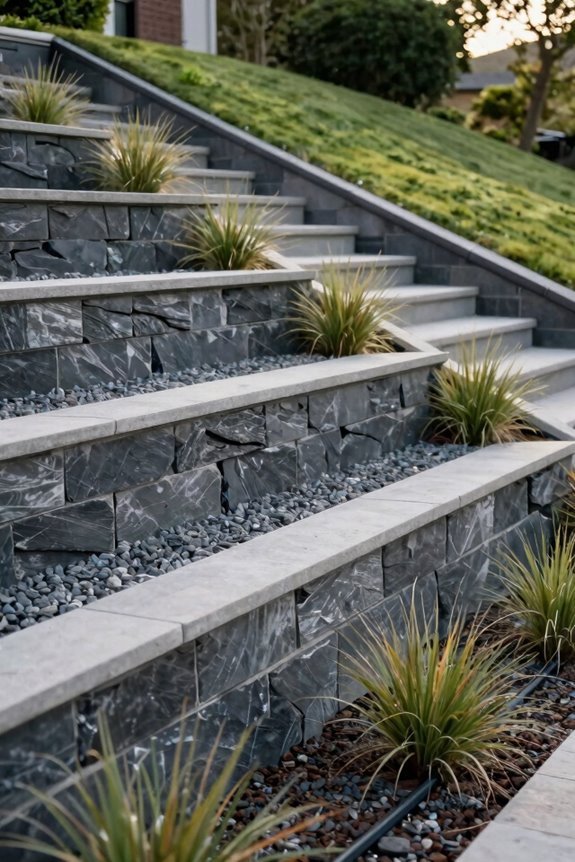
What separates a retaining wall that’ll outlast your grandkids from one that crumbles in five years? Proper drainage and permits. I can’t stress this enough: without gravel and perforated pipes behind your wall, hydrostatic pressure will eventually win (spoiler, it always does).
You’ll want a solid wall foundation using frost-resistant materials like concrete or stone. Before breaking ground, check local building codes; permits aren’t bureaucratic hurdles, they’re your slope protection insurance. Consider hiring pro help for bespoke designs that handle your specific terrain.
A well-engineered retaining wall with proper drainage channels water away, preventing failure and ensuring long-term stability. Your hillside’s plants deserve infrastructure that won’t betray it.
Retaining Wall Add-Ons: Seating, Gardens, and Amenities
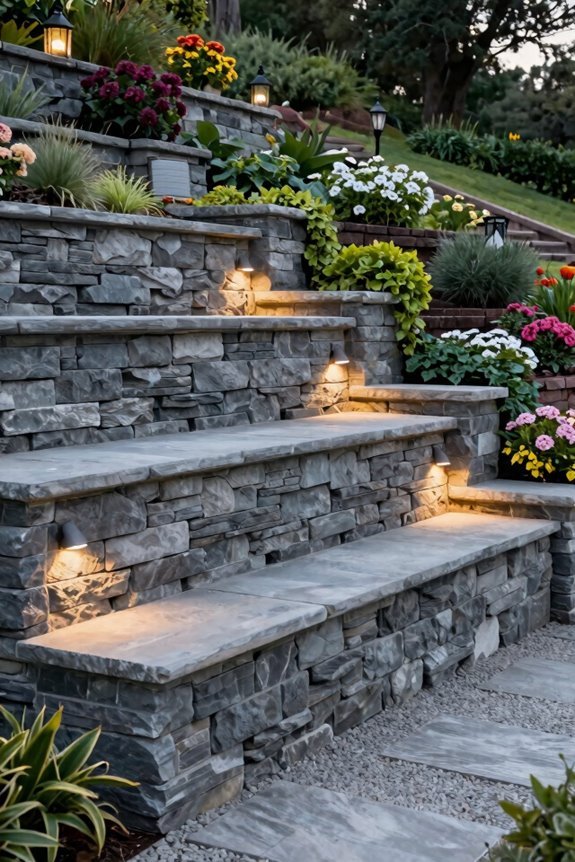
Once your retaining wall’s foundation is set and drainage is working well, you can focus on the real opportunity: transforming that functional barrier into a social hub. Built-in seating and raised planters turn slopes into gathering spaces where friends actually want to linger.
Consider these valuable additions:
- Timber-seat walls that double as comfortable perches for morning coffee
- Stone or block seating paired with terrace gardens for greenery and views
- Bespoke raised planters that manage slope drainage while showcasing seasonal color
- LED lighting accents casting warm glows across your evening retreat
The key is choosing materials matching your wall’s texture and tone to create cohesion. Your retaining wall seating becomes less “functional necessity” and more “favorite hangout spot.” That’s a sense of belonging, built right into your hillside.