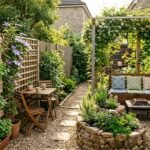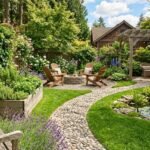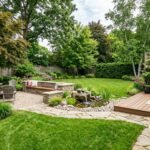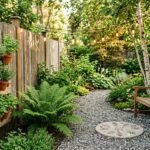
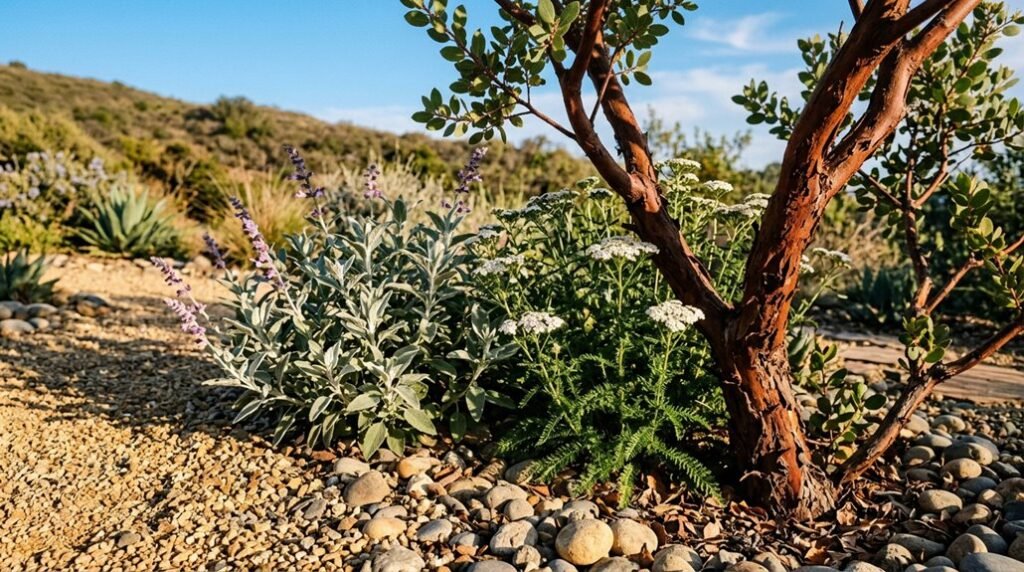
I’ve watched California’s water crisis transform backyards from thirsty lawn deserts into native gardens that flourish naturally. You can replace that water-intensive grass with drought-tolerant species like ceanothus and manzanita that actually want to live here, no apologies needed.
The real advantage? They’ll support pollinators while cutting your irrigation bills significantly. Your wallet and the watershed will benefit. But here’s where most people struggle: selecting the wrong natives for their specific microclimate.
Rethink Your Landscape for California’s Historic Drought
Why do we keep watering thirsty lawns in a state that’s running dry? California’s historic drought demands we reimagine our backyards entirely. About half your residential water vanishes into irrigation, a reality that should make any thoughtful gardener pause.
Here’s the shift: native plants thrive in our climate without the endless thirst of traditional lawns. Water-wise gardening isn’t deprivation; it’s freedom from the sprinkler’s constant demands. By embracing California’s native species, grasses, shrubs, and wildflowers, you’ll craft landscapes that genuinely belong here.
These custom plantings support local pollinators while building resilience against drought, heat, and wildfire. The transformation isn’t complicated. Sheet mulching and native grass alternatives let you phase out thirsty turf gradually. Your garden becomes a living system that wants to exist in California. That’s powerful.
Replace Lawn With Native Plants That Save Water
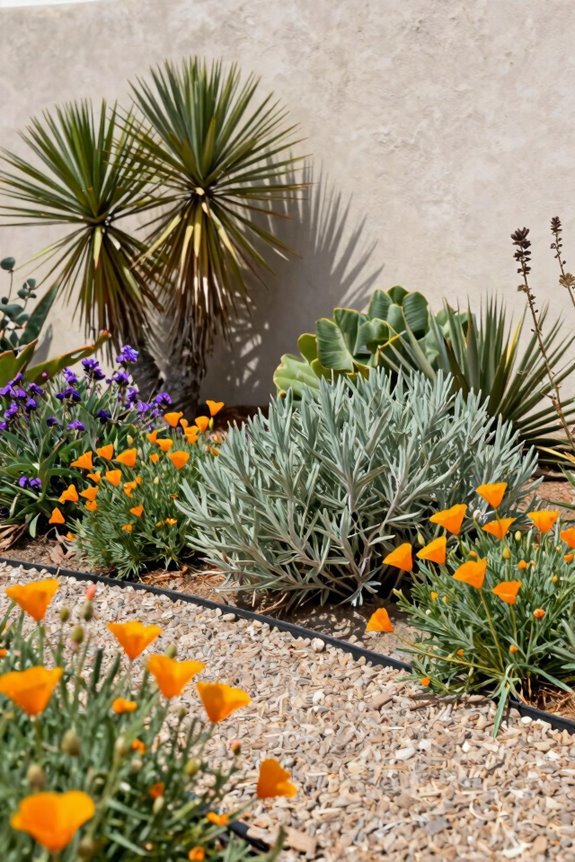
I can convert your water-guzzling lawn into a native plant garden using two proven methods: sheet mulching (laying cardboard over grass and topping with compost) or direct removal with a sod cutter. Both eliminate the grass without chemicals.
Once your bed’s prepped with well-drained soil and mulch, you’ll select species like ceanothus, rosemary, and yarrow that thrive in California’s dry summers while attracting pollinators year-round. This replaces the monotony of a monoculture lawn with diverse plantings.
Pair these drought-tolerant natives with weather-based irrigation controllers and rainwater harvesting to slash your water bills. Your garden will display abundant colors while conserving resources.
Lawn Removal Methods
Before you remove the lawn that’s currently dominating your terrain, you’ll need to decide on a removal method. Sheet mulching is an effective option here. Layer cardboard or newspaper directly over existing grass, then pile mulch on top. This method suffocates the lawn while creating rich soil for your native plants to establish themselves.
| Method | Timeline | Effort |
|---|---|---|
| Sheet Mulching | 2-3 months | Low |
| Solarization | 6-8 weeks | Minimal |
| Manual Removal | 1-2 days | High |
The benefit is that you’re simultaneously killing weeds and building soil fertility. Within weeks, your drought-tolerant California natives—manzanita, ceanothus, yarrow—can be established in designs that support local ecology. Local water districts even offer rebates for lawn removal.
You’re not just gardening; you’re joining a community reclaiming California’s landscape one yard at a time.
Native Plant Selection
Once your lawn’s gone, you have a blank canvas. This is where you can create something meaningful. I’d recommend filling that space with California native plants specifically chosen for drought-tolerant landscaping. Think rosemary, yarrow, and sage, species that have been naturally adapted to your climate for thousands of years.
These drought-tolerant species thrive in full sun and well-drained soils, significantly reducing your irrigation needs once established. You’re not just conserving water; you’re establishing vegetation that attracts pollinators and supports local ecosystems simultaneously. Hit up your local nursery for customized recommendations, then consult WUCOLS irrigation guidance to determine your watering schedule. Many water districts offer rebates, so check those out.
This approach isn’t about sacrifice. It’s smart water conservation combined with attractive native landscaping.
Choose Drought-Tolerant Perennials for Year-Round Color
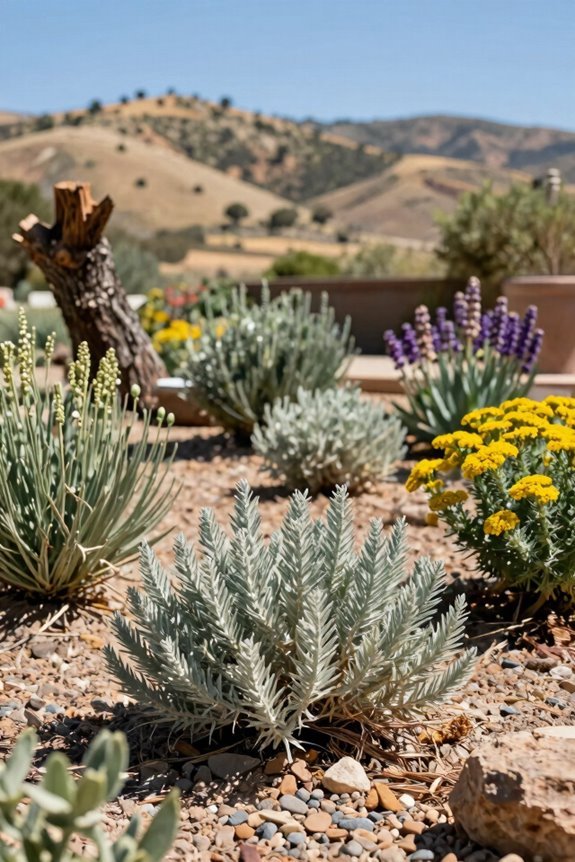
When you’re ready to trade water bills for greenery, drought-tolerant perennials become your garden’s hardworking backbone. I’ve discovered that California native, drought-tolerant perennials like Achillea, Echinacea, and Penstemon deliver sustained blooms from spring through fall with minimal care required. These plants thrive in full sun with well-drained soil, rewarding you with continuous color while using water efficiently.
Plant them in groups with similar water needs to maximize efficiency and create a customized landscape that supports pollinators; butterflies love this arrangement, honestly. Layer in organic soil amendments and mulch to lock in moisture, so your future self will appreciate the effort. The result is a robust garden that reflects California’s sustainable future, not its past water-wasting practices.
Select Drought-Tolerant Shrubs and Groundcovers
I’ll guide you through selecting shrubs and groundcovers that will create a water-wise landscape. We’ll explore robust options like manzanita and ceanothus, California natives that tolerate drought well, plus the groundcover selections and establishment strategies that’ll keep your landscape healthy with minimal fuss and lower water bills.
From initial planting through years of low-maintenance growth, you’ll discover how layering these plants creates both aesthetic appeal and ecological resilience.
Drought-Tolerant Shrub Options
How do you build a scene that practically maintains itself while sipping water like a minimalist at a fancy cocktail party? I’d choose California native shrubs that thrive on neglect. Ceanothus, manzanita, and buckwheat deliver greenery while asking nothing but sunshine and well-drained soil. These drought-tolerant workhorses establish themselves quickly, then settle into self-sufficiency.
I layer in pollinator magnets like yarrow and California deergrass; their spiky blooms and architectural foliage create visual interest while feeding bees and butterflies. The real magic happens when I add groundcovers such as lantana and nepeta, their spreading tendrils softening hardscapes with ornamental flowers.
Strategic mulch acts as nature’s insurance policy, conserving moisture while your bespoke landscape matures. Occasional pruning keeps things shapely and robust. You’ve built a garden that thrives during dry spells—no guilt, just gorgeous.
Low-Maintenance Groundcover Selections
What separates a garden that demands constant fussing from one that practically applauds itself? Low-maintenance groundcover selections. I’ve discovered that California natives like Lantana, Yarrow, and Arctostaphylos create dense foliage without the guilt of endless watering.
Here’s what makes these groundcovers effective:
- Drought-tolerant varieties thrive in full sun with minimal irrigation once established
- Extended blooms attract bees and butterflies, bringing pollinators to your yard
- Perennial shrubs offer year-round texture and habitat for local wildlife
- Well-drained soil paired with strategic mulch conserves moisture dramatically
Locally adapted Mediterranean-zone selections perform across California’s quirky microclimates. These bespoke plantings align perfectly with water-wise goals. You’re not just reducing landscape maintenance; you’re creating resilient systems that support local ecology. The result is a garden that rewards your restraint with effortless beauty.
Establishment And Long-Term Care
Once you’ve nestled your manzanita or ceanothus into the ground, important work happens beneath the soil during those critical first seasons. California native plants need deep, infrequent watering rather than frequent sprinkles; think long drinks, not sips. Mulch becomes your silent partner, locking moisture in while suppressing weeds that would otherwise compromise your drought-tolerant landscape.
| Care Phase | Action | Frequency | Outcome |
|---|---|---|---|
| First Season | Deep watering | Weekly | Robust roots |
| Months 2-3 | Reduce frequency | Bi-weekly | Drought resilience |
| Year Two | Minimal irrigation | Monthly | Self-sufficiency |
| Established | Pruning only | Seasonally | Verdant health |
Once roots establish, regular pruning and selective thinning sustain long-term vigor while promoting abundant blooms. Your custom California native landscape rewards patience with genuine water independence.
Layer Native Plants to Support Pollinators and Conserve Water
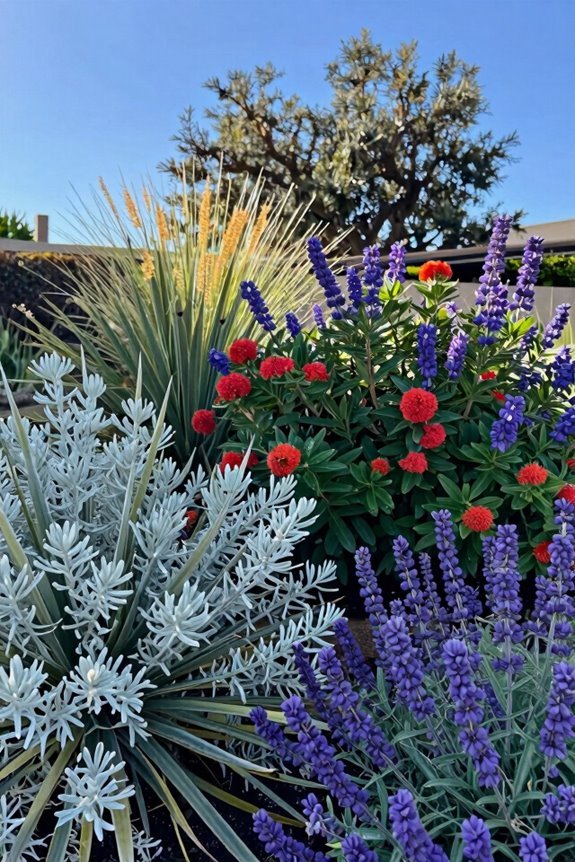
Why settle for a flat, thirsty lawn when you could build a vertical garden that feeds butterflies and saves water simultaneously? I’ve discovered that layering native California plants creates a healthy garden while slashing irrigation needs. Think of it as architectural gardening: you’re designing verdure in strata.
Groundcovers like creeping buckwheat (Eriogonum parvifolium) anchor the base. Low perennials such as yarrow bridge the middle zone. Drought-tolerant shrubs like ceanothus and manzanita form your canopy. Succulents provide textural punctuation throughout. Native deergrass adds movement and pollinator appeal.
This bespoke approach supports continuous blooms across seasons while pollinators find reliable nectar sources. Well-drained soil, full sun exposure, and strategic mulch application conserve moisture dramatically without fussy watering schedules. You’re creating a self-sustaining landscape that looks gorgeous year-round.
Prepare Soil and Mulch for Better Establishment
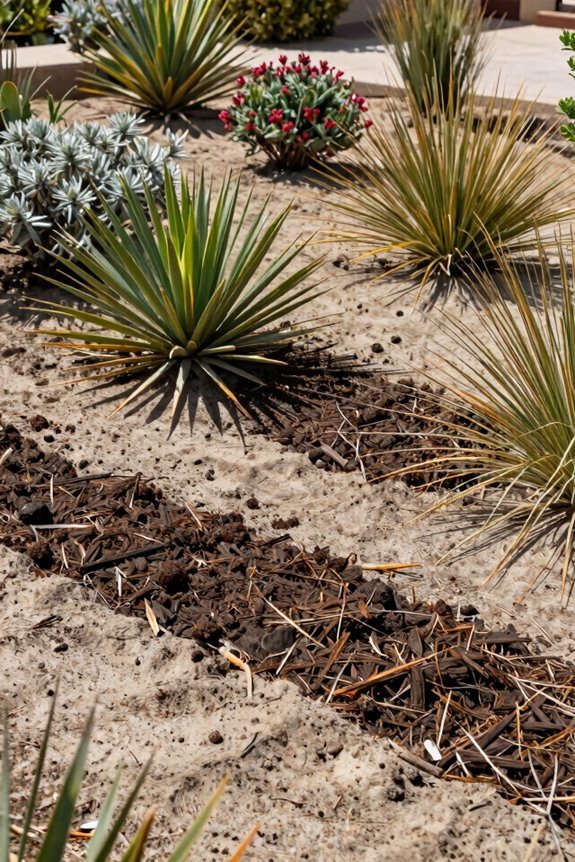
I’ll set you up for success by building a foundation that lets your native plants establish well without constant maintenance. This starts with understanding your soil’s drainage and amendment needs.
Work in compost or other organic matter to improve structure; think of it as giving your soil better bones without making it thirsty. Then top it all off with 2-3 inches of mulch kept a respectful distance from plant stems. This preventive step stops the rot that turns promising plants into costly disappointment.
Soil Amendment Essentials
How’d you like your California natives to establish themselves without constant coaxing? I’ve found that soil amendment is an effective approach for establishing drought-tolerant natives that’ll reward you with lush growth instead of demands.
Here’s what transforms mediocre soil into native-friendly gold:
- Native-targeted planting mixes (Bay Area blends work beautifully) promote healthy root development and slash water needs
- Organic amendments like compost boost soil biology and nutrient availability for fresh plantings
- Mycorrhizae products (Sure Start included) open nutrient pathways your plants need
- Layered mulch at 2–3 inches conserves moisture and stabilizes temperature post-planting
- Structural improvements enhance drainage without compacting the root zone
Skip heavy topsoil; it’ll suffocate your perennials. Instead, build soil structure that invites roots to explore deeper. You’re creating a bespoke foundation where drought-tolerant natives don’t just survive; they establish themselves robustly and perform well over time.
Mulch Retention Strategies
Mulch does the work in drought-tolerant landscapes; it’s your silent partner in water conservation. I’ve learned that a 2–4 inch layer of organic material transforms your soil into a moisture-retaining powerhouse. Wood chips and bark work beautifully, though they demand patience as they decompose. Keep mulch several inches from plant stems, giving roots breathing room.
This strategy stabilizes soil temperature while suppressing weeds that would otherwise compete for precious water. Replenish annually. Combining mulch with drip irrigation creates customized drought-tolerant vegetation that performs well despite California’s thirsty summers.
| Mulch Type | Depth | Lifespan | Best For |
|---|---|---|---|
| Wood chips | 3 inches | 2–3 years | General beds |
| Bark nuggets | 2–4 inches | 1–2 years | Aesthetic appeal |
| Shredded leaves | 2 inches | 6 months | Budget-friendly |
| Arborist chips | 3 inches | 2 years | Native plantings |
| Straw | 2 inches | 1 season | Temporary use |
Set Up Drip Irrigation for Efficient Year-One Watering
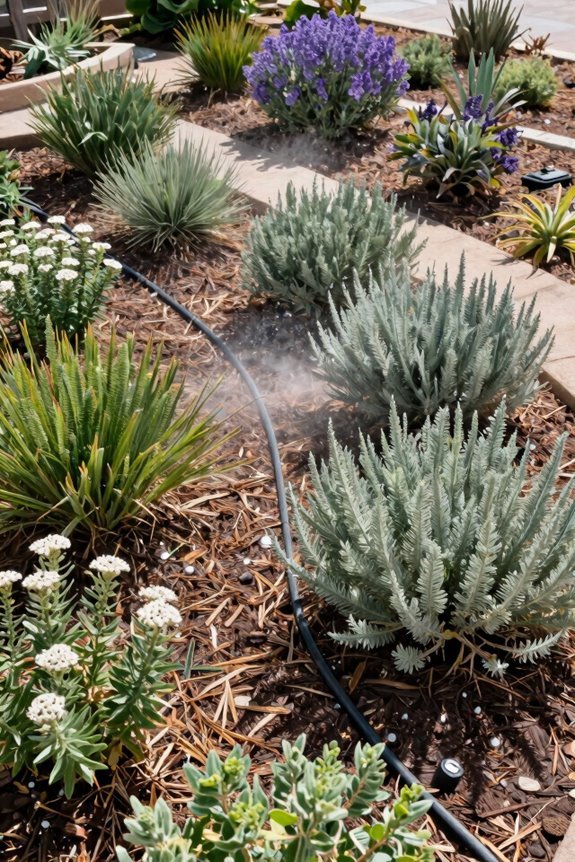
Because young native plants need consistent moisture to establish strong roots, yet California’s summers lack rainfall, a drip irrigation system becomes essential for keeping plants alive without excessive water costs.
I’d recommend starting simple:
- Install a mainline connected to low-volume emitters (0.5–2 GPH) tailored to each plant’s water needs
- Add a filter and pressure regulator to prevent clogging and maintain steady flow
- Create zone-by-zone scheduling that matches sun exposure and soil type
- Pair your system with rainwater catchment or drought-smart mulch for maximum moisture retention
Monitor soil moisture weekly, adjusting irrigation seasonally during heatwaves or cooler stretches. This customized approach transforms your drought-tolerant California native plants into landscape anchors, turning establishment year into a successful outcome.
Grow Native Plants in Containers for Small Spaces
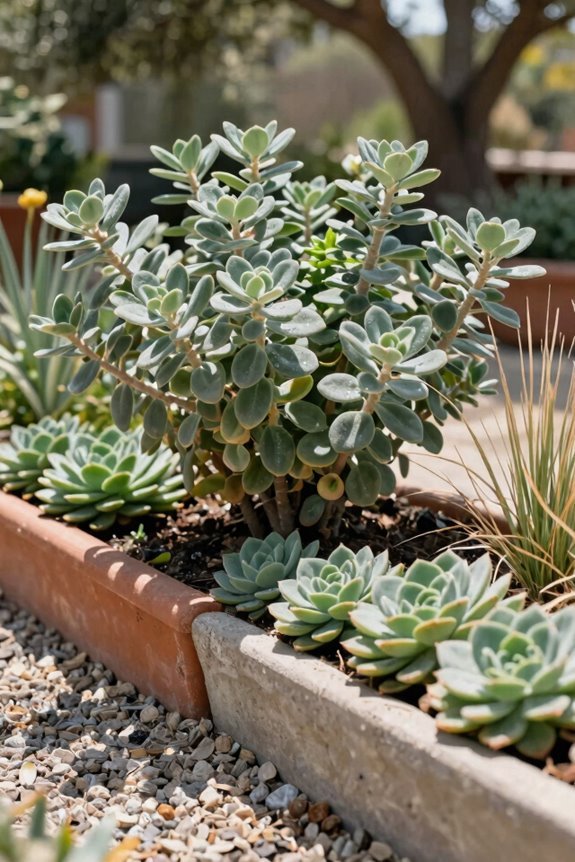
Small patios, balconies, and compact yards don’t need to sacrifice California’s native verdure; they just need a different strategy. I’ve found that container gardening transforms limited spaces into showcases for drought-tolerant natives. Rosemary, lavender, and yarrow flourish in containers when you match them with quality, well-draining mixes like SummerWinds or Sure Start with mycorrhizae. Drainage holes aren’t optional; they’re essential.
Position your containers where they’ll bask in full sun, mimicking their natural habitat. Mulch the soil surface to lock in moisture and reduce evaporation between waterings. I recommend pairing your setup with a weather-based irrigation controller or rainwater capture system, giving California native plants exactly what they need without requiring constant attention.
Design Chaparral Gardens for Steep, Dry Slopes
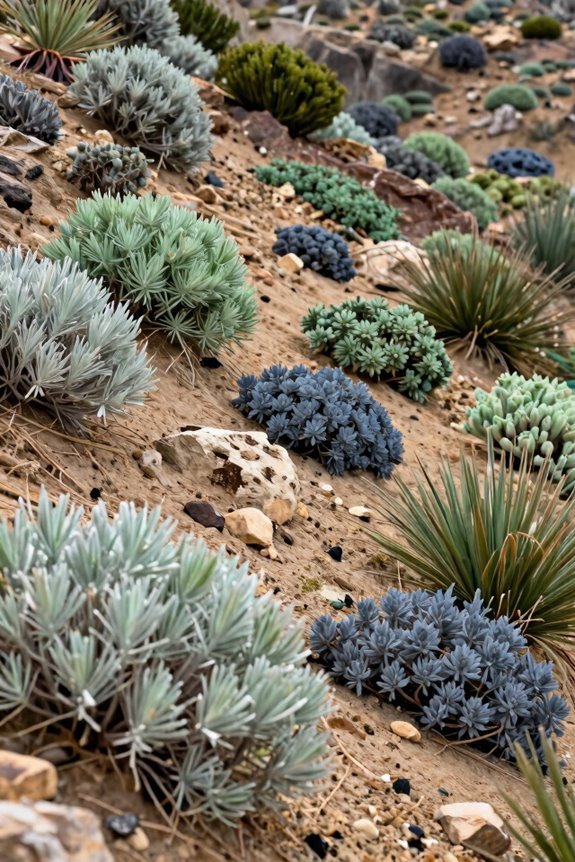
How do you transform a sun-scorched slope into a productive garden rather than a washout waiting to happen? I’ll show you how chaparral gardens work on steep, dry slopes by mimicking nature’s own blueprint.
Design your slopes with these essentials:
- Native shrubs like manzanita and ceanothus anchor soil while thriving on minimal water
- Stone terraces slow runoff and create planting pockets that catch moisture
- Permeable pathways reduce erosion while letting water infiltrate naturally
- Groundcover combos (buckwheat, yarrow) stabilize banks and feed pollinators
- Mulch layering conserves moisture and moderates soil temperature
I’ve found that drought-tolerant plants establish faster when you prep soil properly and install water-wise drip irrigation during establishment.
Your custom chaparral garden will convert that problematic slope into a self-sustaining landscape with strong plant performance—no constant watering required.
Plant Parkways With Tough, Locally-Adapted Species
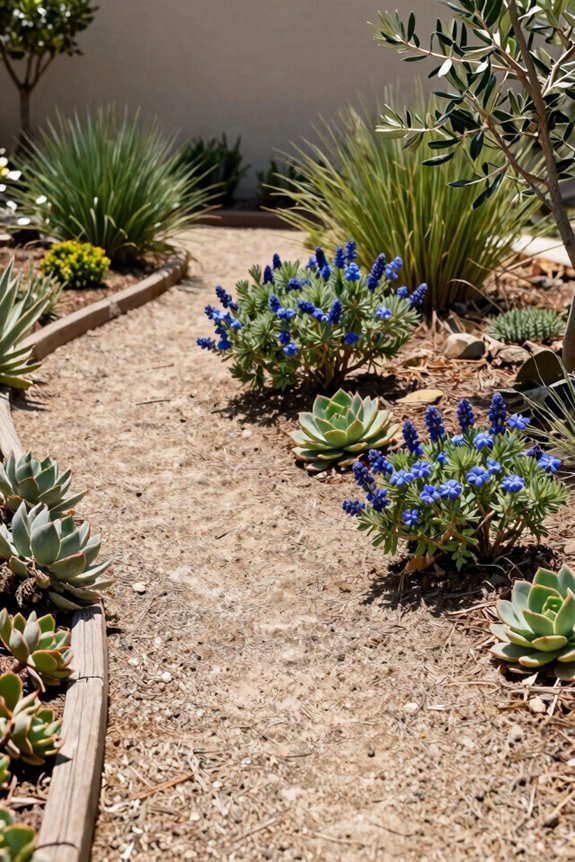
What if that thin strip of soil between sidewalk and street could actually thrive instead of just survive? I’ve discovered that selecting California native parkway shrubs transforms these neglected spaces into lush areas. You’ll want drought-tolerant selections like California buckwheat and coyote brush, plants that laugh at summer heat while requiring minimal fussing.
| Species | Height | Bloom Color | Water Needs |
|---|---|---|---|
| California Buckwheat | 1-2 ft | Cream/pink | Very low |
| Coyote Brush | 4-6 ft | White | Low |
| Toyon | 6-8 ft | Red berries | Low |
| Silver Carpet | 6 in | Silvery foliage | Very low |
Pairing these with permeable surfaces lets rainwater infiltrate rather than runoff. Pruning strategically promotes bushier growth and colorful blooms. Your custom parkway design signals community pride while supporting local pollinators; that’s landscape rebellion done right.
Create Fire-Wise Defensible Space With Native Shrubs
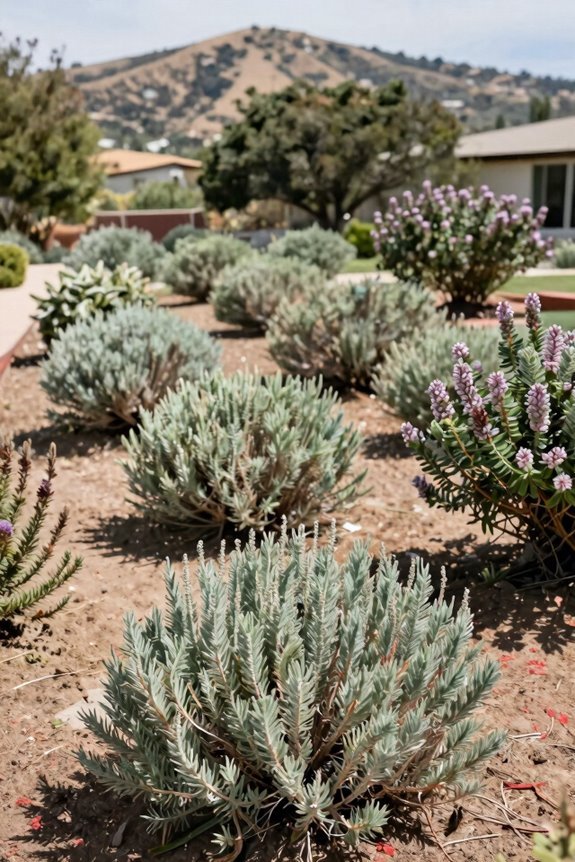
Your parkway’s verdure does more than beautify the streetscape; it can become your home’s first line of defense against wildfire. I’ve discovered that strategic California native plant selection creates fire-wise landscapes.
Your parkway’s verdure becomes your home’s first line of defense against wildfire through strategic California native plant selection.
Here’s how I’m building defensible space with native shrubs:
- California sagebrush and ceanothus create low-flammability zones through moisture-rich foliage
- Manzanita’s compact growth minimizes continuous canopy connectivity near structures
- Regular pruning removes dead material and establishes crucial gaps
- Drought-tolerant spacing reduces fuel density while conserving water
- Semi-evergreen varieties maintain year-round moisture retention
These fire-wise landscaping choices aren’t sacrifices. They’re smart design. By selecting California native plants adapted to your microclimate, I’m maintaining a defensible space that requires minimal irrigation while protecting what matters most. That’s belonging to a landscape community that persists and endures.
Source Native Plants From Local Nurseries and CNPS
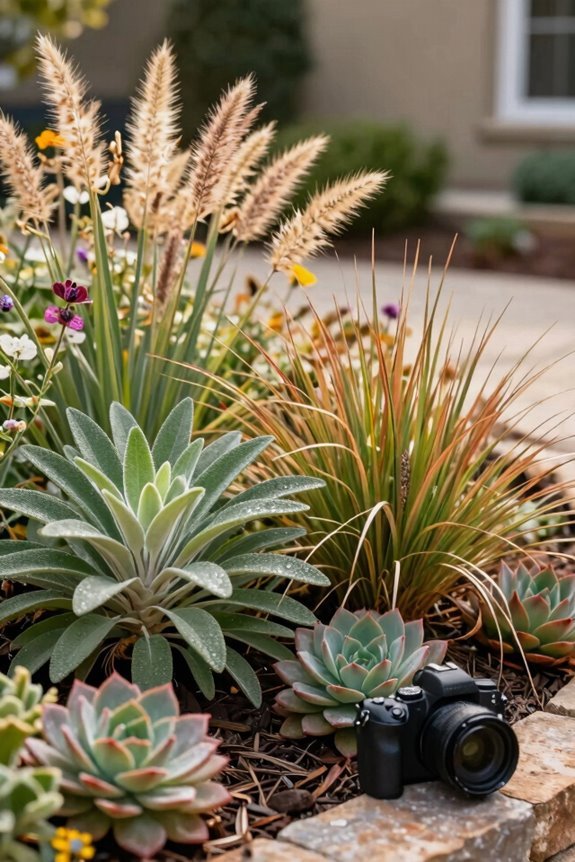
Once you’ve identified which fire-wise natives suit your terrain, your local nursery offers plants already adapted to your neighborhood’s specific conditions. Sourcing California native plants from nearby growers ensures they’re well-suited to your microclimate. The California Native Plant Society partners with local chapters and hosts plant sales featuring drought-tolerant species like manzanita, ceanothus, and deergrass. These selections thrive on regional rainfall patterns you’re already getting.
Before heading out, verify availability through your neighborhood CNPS chapter or the Conservation Portal’s Lawn-to-Garden program; both pinpoint location-appropriate species. Your plants will flourish without extra effort, transforming your backyard into a resilient, fire-smart landscape that belongs in your specific slice of California.
Avoid Common Lawn-to-Native Garden Mistakes
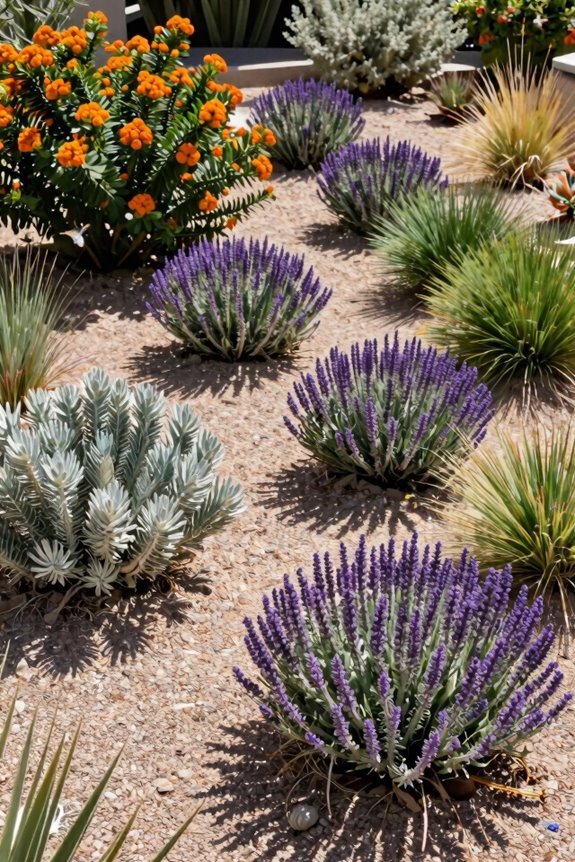
Finding plants from your local CNPS chapter puts you halfway there, but sourcing specimens doesn’t guarantee success if you’re not careful about installation. I’ve watched gardeners stumble right at the finish line, so let me share what actually works.
Common lawn-to-native mistakes derail even enthusiastic planters:
Common lawn-to-native mistakes derail even the most enthusiastic planters—but they’re entirely avoidable with proper planning.
- Selecting non-native species masquerading as drought-tolerant natives
- Neglecting soil drainage, creating soggy root zones
- Skipping sheet mulching, which improves water retention
- Underestimating establishment time; natives need several seasons to develop
- Forgetting pollinator-friendly bloom sequencing across seasons
The real challenge is patience. Your bespoke native garden won’t deliver immediate results. Proper lawn removal and groundcover replacement take work, but this foundation determines everything. Skip these pitfalls, and you’ll cultivate a landscape suited to California’s climate rather than fighting nature itself.
Measure Your Water Savings and Wildlife Impact
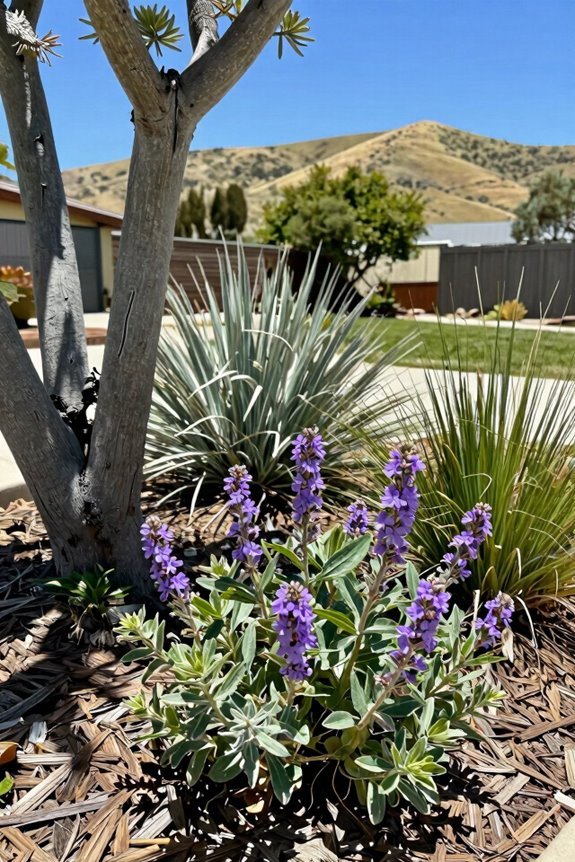
After swapping out thirsty turf, you’ll want to track your water meter’s downward march. This means measuring actual gallons saved, not just feeling good about the change.
Monitor your pollinator visitors by noting bee activity and butterfly sightings monthly; those fuzzy friends visiting your native sage and California poppy aren’t shy about showing up. This serves as your ecological report card. Over seasons, you’ll calculate the compounding benefits: reduced irrigation costs, restored habitat, and a verdant California landscape that relies on rainwater alone. Your bespoke native garden does the environmental heavy lifting without breaking a sweat or your water bill.
Track Water Usage Reduction
How much water are you actually saving when you swap out thirsty turf for native California plants? I’ll tell you—it’s substantial. Tracking your water usage reduction transforms vague eco-feelings into concrete numbers you can celebrate with your neighbors, who’ll inevitably ask what you’re doing.
Here’s how I measure the real impact:
- Install a smart irrigation controller that adjusts schedules based on rainfall and soil moisture
- Monitor your water bill before and after landscaping changes; most see 30-50% reductions
- Document soil permeability improvements through mulch retention
- Track monthly usage during growing and dormant seasons
- Compare outdoor water consumption quarterly
Native California plants paired with drought-tolerant landscaping strategies don’t just save water. They prove conservation works. Your custom native garden becomes a living record of environmental responsibility, one billing cycle at a time.
Monitor Pollinator Population Growth
Your native California garden doesn’t just conserve water—it becomes a bustling wildlife hub where you can actually measure ecological recovery week by week. I’ve discovered that monitoring pollinators transforms you from passive gardener into citizen scientist.
Using a simple weekly survey, I count species visiting my drought-tolerant Echinacea, Achillea, and Salvia plantings. This bespoke tracking reveals patterns you’d otherwise miss.
| Core Bloom | Bee Visits | Butterfly Visits |
|---|---|---|
| Echinacea | 12-18/week | 4-7/week |
| Achillea | 8-14/week | 3-5/week |
| Salvia | 15-22/week | 6-9/week |
Track soil moisture alongside rainfall to correlate watering events with pollinator activity. You’ll notice hummingbirds favor freshly bloomed salvias; they’re basically tiny nectar ninjas. This detailed monitoring schedule refines your irrigation toward genuine water-wise conservation while celebrating the active ecosystem you’ve cultivated.
Calculate Long-Term Environmental Benefits
Because native California plants fundamentally reshape how water moves through your landscape, you’ll find that quantifying your conservation efforts becomes both rewarding and eye-opening. Track these measurable impacts:
- Water reduction: Native drought-tolerance eliminates excess irrigation; your meter tells the story.
- Native California plants sequester carbon through established root systems, offsetting emissions.
- Pollinator visits increase by 40-60% within two seasons of planting.
- Fire resilience improves with proper spacing and fire-wise characteristics.
- Long-term cost savings accumulate as maintenance decreases.
You’re not just creating green space; you’re building a bespoke ecosystem. Your landscape becomes proof that conservation doesn’t require sacrifice, only intention.
The numbers are significant. When you calculate annual water savings alongside healthy wildlife populations, you recognize you’ve joined something genuinely transformative.